

SJswift_juniper_80Owner · 1–6 monthsWouldn’t buy again
“Didn't research much, but the earcups being very shallow was something I regret”
- Worse than expected: Comfort over long sessions
Did this help you decide?Be the first to say
All products featured are independently chosen by us. However, SoundGuys may receive a commission on orders placed through its retail links. See our ethics statement.
Sep 17, 2026 — 11:18 AM ET
The best headphones in 2026 balance sound, comfort, and features for your lifestyle, not just specs. Whether you need powerful noise canceling for travel, open‑back neutrality for critical listening, or budget‑friendly wireless that just works, there’s a pair that fits your use case and budget. Our guide focuses on the models that stand out in our lab testing for sound quality, ANC, battery life, and mic performance, so you can find the right headphones faster.

We’ve tested more than 400 pairs of headphones in our lab, from everyday on-ears to audiophile-grade wired designs. Our picks are backed by objective data: we measure frequency response and noise attenuation on a B&K 5128 head simulator, the same equipment used by professional audio engineers and hearing aid manufacturers, and we use the MDAQS algorithm to generate sound quality scores from a virtual panel of listeners. We’re also the only media outlet with an independently validated headphone and earphone preference curve.
The conditions matter as much as the equipment. We test battery life with real music peaking at 75dBSPL with noise canceling on, not at the low volumes manufacturers use for their rated figures, which is why our numbers often come in lower than the box claims. For models with microphones, we record in five simulated environments: ideal conditions, office, street, wind, and a reverberant space.
Why do we do all this? To cut through marketing and give you a clear, data-driven way to choose the best headphones for your needs. This guide covers top picks in the most common categories, but if you’re looking for something more niche, there are deeper dives elsewhere on the site.
If you don’t want to read the full breakdown, here are our top recommendations across major use cases. Each product has a full review, so you can go deeper if you have specific questions.
Already own something?
Anything we have measured, not just the picks. It becomes a second curve on every chart here. Sign-in needed to publish.
Comparing needs no sign-up
From owners1 owner review · 0 of 1 would buy again · 1 photo-verified
All 1 →SJswift_juniper_80Owner · 1–6 monthsWouldn’t buy again
“Didn't research much, but the earcups being very shallow was something I regret”
From owners1 owner review · 1 of 1 would buy again
All 1 →LRlively_ridge_45Owner · 6–12 monthsWould buy again
“Serious build quality, is not lightweight plastic.”
From owners2 owner reviews · 2 of 2 would buy again · 1 photo-verified · owners report ~50 h per charge vs 70 h claimed
All 2 →BAbold_alder_18Owner · 1–6 monthsWould buy again
“The wireless puck is only really useful as a way to connect non-Bluetooth devices. It does not offer any other useful features as the app performs them better.”
HJhumble_juniper_63Signed-in owner. This member signed in to publish, so their reviews count for points and show on their profile.Owner · 1–2 yearsWould buy again
“I did need to use the custom EQ to get my preferred sound, but the headphones take EQ very well. The ANC is quite good, but getting a good fit is crucial, as sometimes my thick hair and wearing a hat let sound leak causing a feedback loop that resulted in a crackling noise.”
From owners1 owner review · 1 of 1 would buy again
All 1 →CK
“Very solid in all areas. The sound quality is better with aptx than aac on an iPhone. I haven’t tested the mic quality in variable conditions yet.”


For most people in 2026, the Sony WH‑1000XM6 is the best wireless headphone overall, combining class‑leading ANC, customizable sound, and long battery life in a comfortable, travel‑friendly design. If you want great ANC, good mic quality, and support for high‑quality codecs like LDAC, SBC, AAC, and LC3, this is the model to beat.
The Sony WH-1000XM6’s ANC is among the best available, thanks to a combination of strong passive isolation and adaptive processing that adjusts to different environments. Battery life exceeds 37 hours with ANC on, and you get Bluetooth multipoint plus support for LDAC, AAC, SBC, and LC3, making it versatile across devices. A firmware update also added Auracast, which lets you share what you’re listening to with nearby headphones or tune in to a public broadcast, though you’ll need to switch the headphones into LE Audio mode and use a compatible Android phone. The sound is slightly bass-heavy out of the box, but you can tune it with Sony’s app, and the mic array performs well even in noisy settings. Comfort is generally solid, though the ear pads can feel a bit shallow for some head shapes.
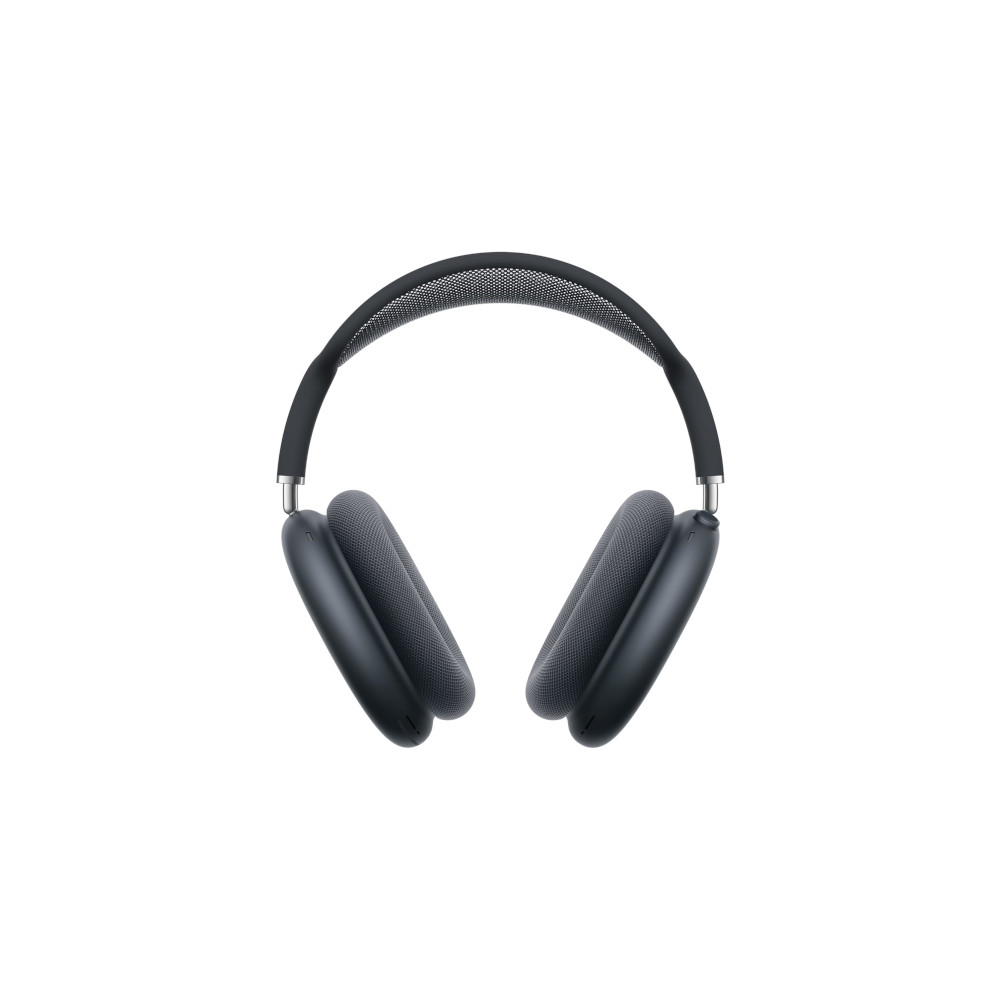
No headphones we’ve tested block out more noise than the AirPods Max 2. They earn the highest ANC score on this list, with especially strong performance against low-frequency noise like airplane cabins and traffic, and a transparency mode that’s among the most natural available when you want to hear your surroundings again.
The H2 chip also brings new features: Live Translation translates what someone says to you in another language in real time, Adaptive Audio adjusts noise canceling on the fly as your surroundings change, Conversation Awareness lowers your music when you start talking to someone, and a press of the Digital Crown can trigger your iPhone’s camera shutter from across the room. Live Translation requires an iPhone that supports Apple Intelligence, and it isn’t available in every region or language, so check before you count on it.
The catch is that all of this only makes sense if you own an iPhone. Pairing, automatic device switching, and spatial audio all depend on Apple’s ecosystem, and Android users lose most of it. The sound is consumer-friendly, with a slight bass boost that suits most genres without overwhelming the mix, and the build quality is excellent thanks to the metal construction. That metal is heavy at 385g during long sessions, and its battery life is the shortest on this list at only 20 hours. If you’re on Android and want comparable noise canceling, the Bose QuietComfort Ultra Headphones (2nd Gen) are the better buy.


For gadget lovers who want a single pair of headphones that does it all, the JBL Tour One M3 is hard to beat. Alongside excellent noise canceling, you get a built-in DAC, wired USB-C audio, LDAC, LC3, and Auracast support, plus the SMART Tx accessory that turns any analog or USB source into a Bluetooth transmitter.
The Tour One M3’s noise canceling is excellent, knocking down low-frequency noise by about 30dB and handling mid and high frequencies impressively well. The SMART Tx accessory adds remote control, audio sharing, analog input over USB, and even personal sound amplification, which is rare outside dedicated hearing aid devices. That makes these unusually flexible: you can use them on a plane with the seatback screen, at a desk over USB-C, or wirelessly on your commute. The sound signature is a bit uninspired out of the box, but the battery life and feature set more than make up for it, especially if you want one pair for travel, the office, and wired listening.

If you hate charging your headphones, the Sennheiser MOMENTUM 5 Wireless is the pick. Sennheiser rates the battery at more than 50 hours with noise canceling on, and an app setting can stop charging short of 100% to reduce strain on the cell without giving up much listening time. When the battery does eventually wear out, you can replace it yourself instead of buying a new pair.
Swapping the battery means popping off the left ear pad, removing four screws, and lifting out the speaker assembly, which is far easier than on any other flagship headphones we’ve tested. The rest of the package holds up too: noise canceling is much improved over the MOMENTUM 4 Wireless, cutting low-frequency noise by about 20dB, and you get multipoint, aptX Adaptive, and both 3.5mm and USB-C wired listening. Our simulated listener panel rated the sound 4.7 out of 5, helped by exceptionally clean, low-distortion playback. The tuning is the main catch, with bass much louder than our preference curve and quieter highs that flatten reverb, though the 8-band EQ can rein both in. There’s also no water resistance rating and no LDAC support.
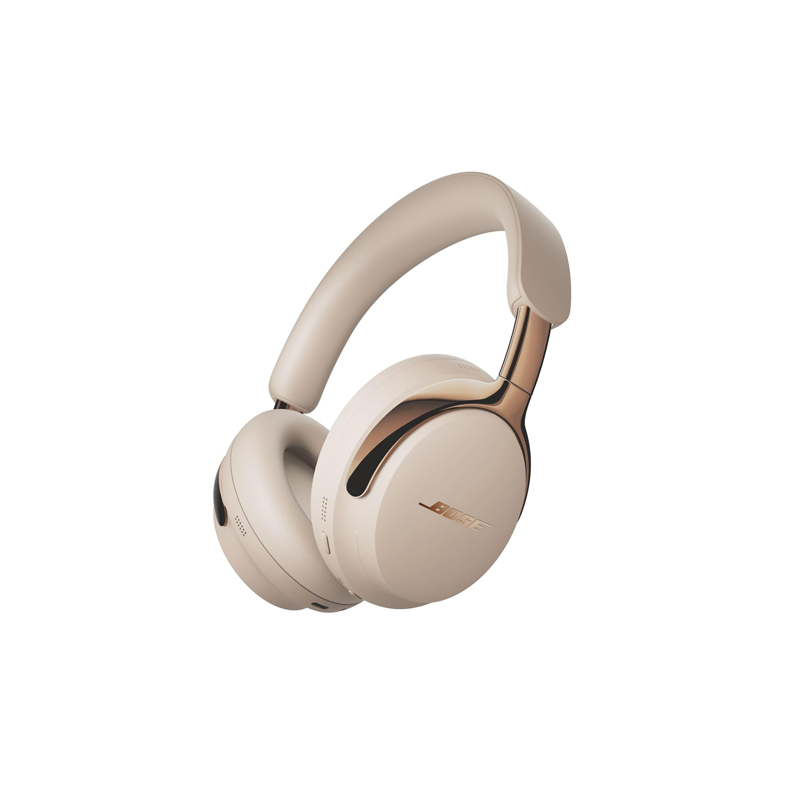
If you wear headphones for hours at a time, the Bose QuietComfort Ultra Headphones (2nd Gen) are the ones to get. The mostly plastic build keeps them light, the padding is generous, and the angled drivers sit around your ears rather than pressing on them. Bose also keeps things simple: there’s very little to set up or tinker with.
Comfort isn’t the only reason to buy them. Noise canceling is excellent, battery life ran 27 hours and 12 minutes with ANC on in our testing, and you can listen losslessly over USB-C or use aptX Adaptive on compatible Android phones. Our simulated listener panel rated the sound 4.7 out of 5, with bass noticeably louder than our preference curve, which most people enjoy. The controls take some learning, the in-app EQ is too basic to make precise adjustments, and there’s no water resistance rating, so keep them out of the rain. But for long flights and full workdays, nothing here is easier to wear.

For everyday computer and casual listening, most people should find the Sennheiser HD 505 to be the best‑value open‑back headphone that still sounds significantly better than cheaper alternatives. Since they don’t need a separate amp to sound good, they’re ideal for listeners who want airy, spacious sound without a big extra investment.
The Sennheiser HD 505 delivers a neutral‑leaning sound that plays well across genres, with enough detail for critical listening but without harshness. They’re comfortable for long sessions, with a light clamp and breathable pads, and they pair well with laptops and phones thanks to their easy‑to‑drive impedance. The tradeoffs are typical of open‑back designs: they don’t isolate sound, so you’ll hear your environment and others will hear your music, which makes them poor picks for office use.

If you’re on a tight budget but still want active noise canceling, the JLab JBuds Lux ANC are the best‑value over‑ear headphones under $100. They combine decent ANC, solid battery life, and USB‑C charging at a price that undercuts most competitors while still delivering a comfortable, travel‑friendly design.
These headphones reduce low‑frequency noise by about 50–75% under 700Hz and provide strong isolation in higher ranges, blocking up to 46dB in the upper bands. Comfort is good for long listening sessions, with padded ear cups and a breathable headband that works well for glasses wearers. They lack advanced features like spatial audio or high‑end codecs, but they focus on fundamentals: ANC, battery life, connectivity, and price. This makes them a strong pick for students, commuters, or anyone who wants ANC‑enabled headphones without spending $200 or more.

If you want on-ear headphones without spending much, the Sony WH-CH530 sound far better than their $69.99 price suggests. Our simulated listener panel rated them 4.8 out of 5, the same score as headphones costing five times as much, and they’re lightweight and comfortable with cushioned pads that seal well against your ears, which on-ear headphones often struggle to do.
There’s no noise canceling, but the seal blocks about 58% of outside noise on its own, enough to take the edge off passing traffic. The Sony Sound Connect app adds a 10-band EQ, a handful of presets, including one for gaming, and a volume limit with five levels, which is useful if you’re buying these for a kid. You also get Bluetooth 6.0 with LC3 and Auracast support, multipoint for two devices at once, and fast charging that delivers 1.5 hours of playback from three minutes plugged in. The compromises are practical ones: they don’t fold, there’s no case in the box, there’s no water resistance rating, and there’s no way to listen wired, so a dead battery means silence until you charge them.


The form factor decides most of what follows. Over-ear headphones surround your ears, which blocks the most noise and stays comfortable longest, but they’re bulky and trap heat. On-ear headphones press against your ears instead, which makes them lighter and cheaper, though they block less noise and comfort varies more from person to person. Open-back headphones let air (and sound) pass through the ear cups, which many listeners prefer for music at home, but they don’t block anything and everyone nearby hears what you’re playing. If you’ll wear them in public, that rules open-back out.
Noise canceling is worth paying for if you fly, commute, or work somewhere noisy. If you mostly listen at home, you can skip it and put the money toward sound quality instead.
Price is a rough guide to performance here, not a guarantee. The best noise canceling we’ve measured comes from the AirPods Max 2, but the $179.99 Sony WH-CH730N still cancels about 79% of outside noise, and even headphones with no noise canceling at all block a fair amount just by sealing against your head. What matters more is what you’re blocking: most headphones handle low, steady sounds like engines well, while voices and squealing brakes get through on cheaper models.
Manufacturers test battery life at low volumes with noise canceling off. We test with noise canceling on, so our numbers usually come in lower. Compare like for like, and remember that most headphones last far longer per charge than a typical listening session anyway.
The bigger question is how many years you’ll get. The battery is what usually fails first, and on most headphones it’s sealed inside, which turns a worn-out cell into a whole new purchase. Two things help: a user-replaceable battery, like the one in the Sennheiser MOMENTUM 5 Wireless, and a charge limiting setting that stops charging short of 100%, which several Sony models now include. Both keep headphones out of the landfill longer.
A codec is the format your phone uses to send audio to your headphones, and both devices need to support the same one.
iPhone users need AAC, which every pair worth buying supports, so codecs shouldn’t drive your decision. Android users have more to gain: LDAC works on most Android phones and can carry higher quality audio, while aptX and aptX Adaptive depend on your phone’s chip. LC3 is newer and more efficient, and it enables Auracast, which lets you share audio with other headphones nearby or tune into a public broadcast at a gym or airport.
Comfort is the thing reviews can least predict for you, because head shapes differ. Weight is the clearest signal: the AirPods Max 2 weigh 385g, while the Sony WH-CH730N weigh 207g, and you feel that difference after an hour. Clamping force matters too, especially if you wear glasses, since the arms break the seal and let noise in.
That seal affects more than comfort. A poor fit weakens noise canceling and thins out bass at the same time, so if headphones sound wrong, check how they’re sitting before blaming the hardware.
Bluetooth is convenient, but a headphone jack or USB-C audio is worth having. It lets you plug into an airplane seat, keep listening when the battery dies, and avoid lag when gaming or watching video. USB-C connections can also carry lossless audio on the models that support it. Some headphones drop the jack entirely, so check before buying if this matters to you.
The Apple AirPods Max 2 are the best headphones for iPhone users. They pair instantly, switch automatically between your Apple devices, support spatial audio, and block more noise than anything else we’ve tested. The trade-off is that they’re heavy and expensive, and most of those features disappear if you switch to Android. You don’t have to buy Apple to get a good experience on iPhone, though. The Sony WH-1000XM6 and Bose QuietComfort Ultra Headphones (2nd Gen) both work well with iPhones over AAC and offer far more control over sound through their apps.
For most people in 2026, the best headphones are the Sony WH‑1000XM6, because they offer top‑tier ANC, strong sound quality, good battery life, and flexible Bluetooth features. If you want something more budget‑friendly, the JLab JBuds Lux ANC under $100 is our top pick for cheap ANC headphones, while the Sennheiser HD 505 represents the best‑value open‑back pair for casual listening.
The Sony WH-1000XM6 is the best all-around choice for music, with a tuning close to our preference curve and an app that lets you adjust it to taste. The Sennheiser MOMENTUM 5 Wireless is the pick if you want the same class of performance with a battery you can replace years down the line. For listening at home without noise canceling, the open-back Sennheiser HD 505 and Beyerdynamic DT 900 PRO X both deliver detailed, studio-style sound for less than most flagship wireless headphones.
Look for strong microphone performance and Bluetooth multipoint, which keeps you connected to your laptop and phone at once. The Sony WH-1000XM6 and JBL Tour One M3 both perform well in our lab, with clear voice capture and good noise suppression, while the Bose QuietComfort Ultra Headphones (2nd Gen) handle background noise well and stay comfortable through back-to-back meetings. If you take calls in a noisy office, check our microphone samples in each review.
Comfort, battery life, and ANC are the priorities for travel and commuting. The Apple AirPods Max 2 block the most noise, while the Bose QuietComfort Ultra Headphones (2nd Gen) are the most comfortable for long flights, and the Sony WH-1000XM6 balances both. If you want to charge as little as possible, the Sennheiser MOMENTUM 5 Wireless is rated for more than 50 hours. For budget-minded travelers, the Anker Soundcore Space 2 and JLab JBuds Lux ANC offer solid performance at much lower prices. Folding designs like the Sony WH-1000XM4C pack down smaller than flagships that only lie flat.
For under $100, the JLab JBuds Lux ANC is our top pick for wireless noise canceling, combining decent isolation, USB-C charging, and solid battery life. If you don’t need noise canceling, the Sony WH-CH530 sound excellent for $69.99 and are our top budget on-ear pick. The EarFun Wave Pro and Edifier W830NB are also worth a look at $79.99, both offering long battery life and decent ANC.
Most headphones last several years before the battery wears down enough to notice, and that’s usually what ends their life rather than anything breaking. You can extend that by avoiding extreme heat and cold, and by using a charge limiting setting if your headphones have one, which stops charging short of 100% to reduce strain on the battery. Some models now let you replace the battery yourself. The Sennheiser MOMENTUM 5 Wireless is the best example on this list, with a battery you can swap out in a few minutes with a screwdriver. Replaceable ear pads help too, since worn pads break the seal that noise canceling and bass both depend on.
Sometimes, but not for the reasons you might expect. Spending more doesn’t guarantee better sound: the $69.99 Sony WH-CH530 earned the same sound quality score from our simulated listener panel as headphones costing hundreds more. What the money usually buys is better noise canceling, better microphones for calls, premium materials, and features tied to your phone. Some expensive headphones also make real compromises, like the AirPods Max 2, which cost $549 and have the shortest battery life of any pick on this list. If you fly often or work somewhere noisy, a flagship pair earns its price. If you mostly listen at home, a budget pair will serve you just as well.
Here is a log of the latest changes we’ve made to this article:
Thank you for being part of our community. Read our Comment Policy before posting.